


Dr.Shoili Dutta
Dr. Shoili Dutta is a qualified Nutritionist based in Pune, Maharashtra, India. She specializes in weight management and personalized diet plans, helping individuals achieve their health and wellness goals through balanced nutrition and lifestyle guidance.
Dr. Dutta holds an academic background in Nutrition and Dietetics and has actively participated in various professional workshops and training sessions organized by the Symbiosis Institute of Health Sciences (SIHS), Pune. These include the Registered Dietitian Training Workshop and the Hypertension Screening Workshop, reflecting her dedication to continuous learning and professional growth in the field of clinical nutrition.
Our Types Of Dietician
Our expert dietitians, specializing in clinical, sports, pediatric and weight management nutrition, provide personalized plans to fuel every lifestyle and health goal.
Fertility Diets
Women’s Health
Clinical Diets
Weight Loss Diets
Business dietitians
Community dietitians
ROLE OF NUTRITION IN WEIGHT AND DISEASE PREVENTION
In today’s busy world, many people are dealing with health problems like obesity, diabetes, high blood pressure and heart disease. These problems, called lifestyle diseases, often come from eating unhealthy food, not exercising, and living stressful lives.
Eating the right foods is very important for maintaining a healthy weight and avoiding these diseases. Good nutrition helps us live longer and feel better every day.
Protecting Your Heart
Managing Diabetes:
Strong Bones
Boosting Immunity
Why Good Nutrition Helps with Weight Management
Taking care of your weight isn’t just about looking good—it’s about staying healthy. Eating the right foods gives your body the energy it needs without too much extra, which helps prevent weight gain.
Balanced Meals
Balanced meals are essential for maintaining energy, supporting growth and chronic diseases. A balanced meal includes the right portions of carbohydrates, proteins, healthy fats, vitamins and minerals.
Calorie Awareness
Knowing about calories is important for managing a healthy weight and understanding how food affects the body. Calories are units of energy that come from the food and drinks we consume.
Essential Nutrients
Your body needs a mix of these nutrients. Protein keeps you full and helps build muscle. Healthy fats, like those in fish and nuts, are good for your heart. Carbs from whole grains give you energy.
Drinking Water
Drinking clean water is good for health, strong immunity and overall well-being. It helps regulate body temperature, aids in digestion, supports kidney function, improves skin health, keeps the body hydrated.
How Food Affects Your Mood
What you eat doesn’t just affect your body — it also affects your brain. Not getting enough important nutrients can make you feel tired, stressed, or sad. On the other hand, foods like fish, nuts and leafy greens can help you feel happier and think more clearly. That’s why eating right is important for both your body and your mind.
Getting Help from Experts
Everyone’s body is different, so it’s helpful to get advice from a nutritionist or dietitian. These experts can create a meal plan that works for your specific needs and goals. With their help, making healthy choices becomes easier and more effective.
Superfoods: Nature’s Powerhouse for a Healthy Life
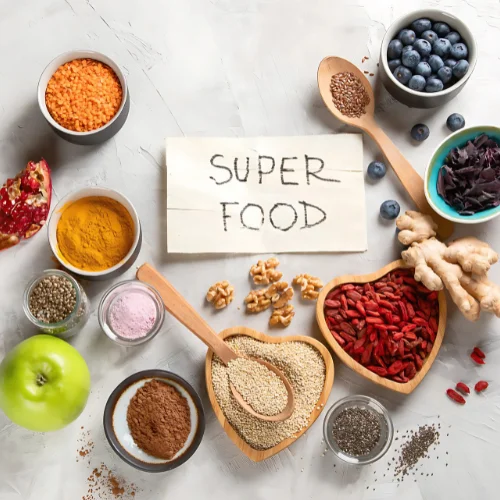
Superfoods are nutritious foods rich in vitamins, minerals and antioxidants, which can help fight diseases, boost energy and maintain overall health. They are like nature’s multivitamins, providing nutrients without added calories. Examples include berries, leafy greens, nuts, seeds, fish and whole grains. Regular consumption can significantly improve digestion, the immune system and brain function.
Examples of Superfoods and Their Benefits

Leafy Greens
Leafy greens are rich in vitamins, fiber, and antioxidants that support digestion, boost immunity, and promote heart and bone health.
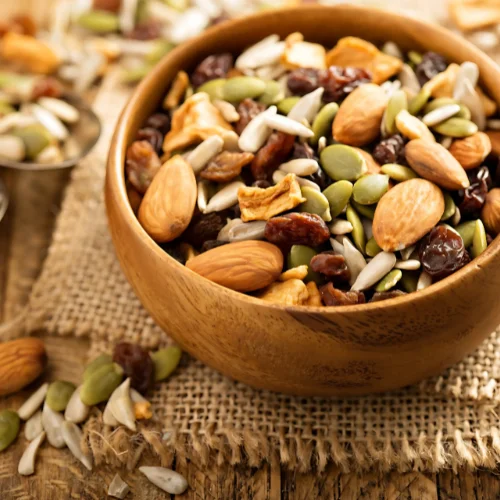
Nuts and Seeds
Nuts and seeds are nutrient-dense foods packed with healthy fats, protein, fiber and antioxidants that support heart, brain and overall health.
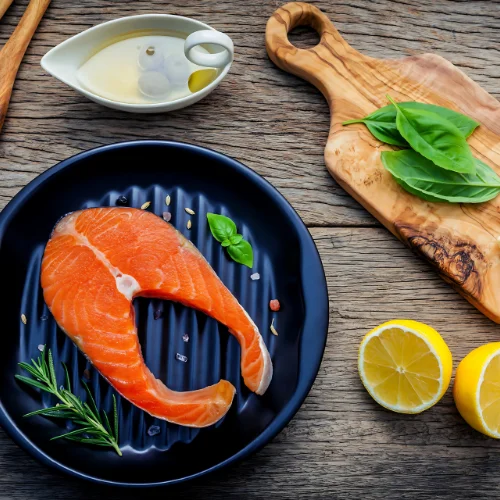
Fatty Fish
Fatty fish like salmon and mackerel are rich in omega-3 fatty acids, supporting heart health, brain function and reducing inflammation.
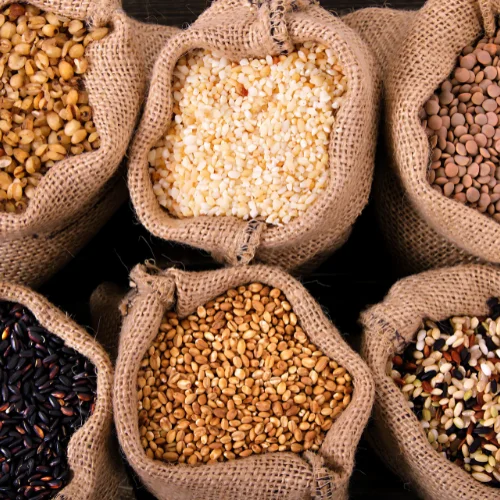
Whole Grains
Whole grains are high in fiber, vitamins, and minerals that help regulate digestion, support heart health and maintain steady energy levels.
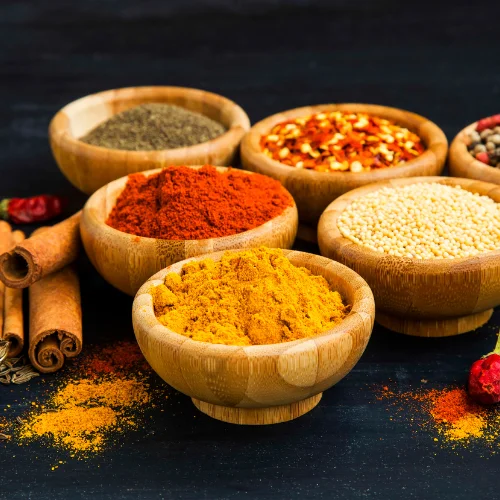
Spices
Spices like turmeric, ginger, and cinnamon offer powerful anti-inflammatory, digestive and immunity-boosting benefits.

Fermented Foods
Fermented foods like yogurt, kimchi, and kefir are rich in probiotics that support gut health, boost digestion and enhance immunity.
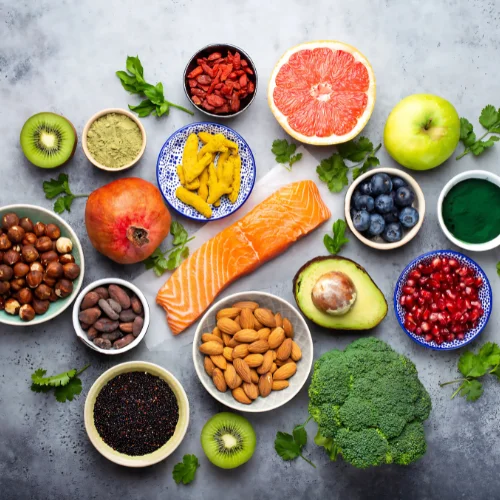
How Superfoods Help Prevent Diseases
Superfoods can help protect you from getting sick. Antioxidants in foods like green tea and berries help your body fight off damage that can lead to diseases like cancer or heart problems. Omega-3s in fish can lower your risk of heart disease, and vitamin-rich foods like carrots and sweet potatoes keep your eyes healthy. By eating a variety of these foods, you can stay healthier longer.
Superfoods and Mental Health
Did you know that some foods can make you feel happier and less stressed? Superfoods like walnuts and salmon have omega-3s, which can help with anxiety and depression. Dark chocolate contains special chemicals that boost your mood. Fermented foods like yogurt also help your gut, which is connected to your brain and how you feel.
Are Superfoods Enough?
As great as superfoods are, they can’t do everything. Eating only superfoods won’t give your body all the nutrients it needs. The best way to stay healthy is to eat a balanced diet that includes fruits, vegetables, grains, proteins and healthy fats. Also, superfoods can sometimes be expensive, but there are affordable options like spinach, lentils and bananas that are just as healthy.
Conclusion
Superfoods are amazing because they are packed with nutrients that can help your body and mind stay healthy. By adding them to your meals, you can feel stronger, fight off illnesses and even improve your mood. But remember, the key to staying healthy is eating a variety of foods and living a balanced life. Superfoods are a great start, but they’re just one part of a healthy lifestyle. So next time you eat a handful of berries or some leafy greens, know that you’re doing something super for your body!
IMPORTANCE OF GUT BRAIN AXIS AND PROBIOTICS IN A HEALTHY DIET
Why the Gut-Brain Connection and Probiotics Are Important?
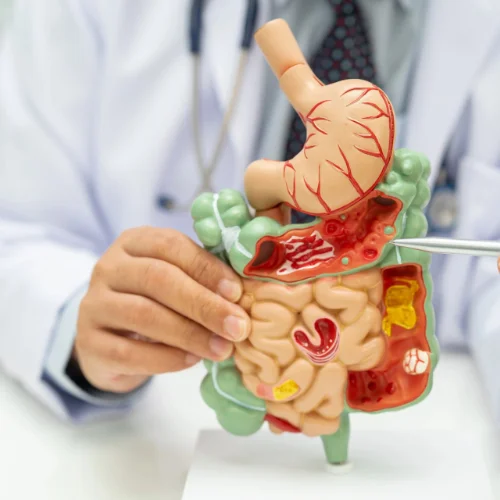
Did you know that your brain and your stomach talk to each other? This link between the brain and the stomach is called the gut-brain axis. It affects how we feel, how well we digest food and even how strong our immune system is. One way to keep this connection healthy is by using probiotics—friendly bacteria that live in your stomach. Let’s explore why this is so important.
What Is the Gut-Brain Axis?
The gut-brain axis is like a phone line that connects your stomach and brain. These two parts of your body send messages back and forth all the time. This happens in three main ways:
Through the Vagus Nerve
With Hormones and Chemicals
Using the Immune System
Because of this strong connection, people often call the gut the “second brain.” If something goes wrong with your gut, it can lead to problems like anxiety, stomach pain and even getting sick more often.
Why Gut Bacteria Matter
Inside your stomach are trillions of tiny living things called bacteria. These bacteria are part of what we call the gut microbiome. The good bacteria help break down food, make nutrients your body needs, and fight off harmful germs. They also help the gut and brain stay connected by making chemicals your brain uses to work properly.
If you don’t have enough good bacteria in your stomach, it can cause problems like upset stomachs, feeling stressed and inflammation. This is called dysbiosis and it can affect your health in many ways.
How Probiotics Help
Probiotics are good bacteria that you can eatinfood ortake as supplements. They help balance the bacteria in your stomach and keep your gut-brain connection strong. Here’s how they help:

Better Mood
Probiotics help improve mood by balancing gut bacteria, which positively affects brain chemicals like serotonin through the gut-brain connection.
Healthy Digestion
A healthy gut supports smooth digestion, enhances nutrient absorption, prevents discomfort, minimizes bloating and promotes overall well-being.

Stronger Immune System
A stronger immune system helps your body fight infections, recover faster and stay protected against illnesses naturally.

Less Stress
Reducing stress supports mental clarity, emotional balance and overall well-being by lowering cortisol and calming the nervous system.

Foods and Supplements with Probiotics
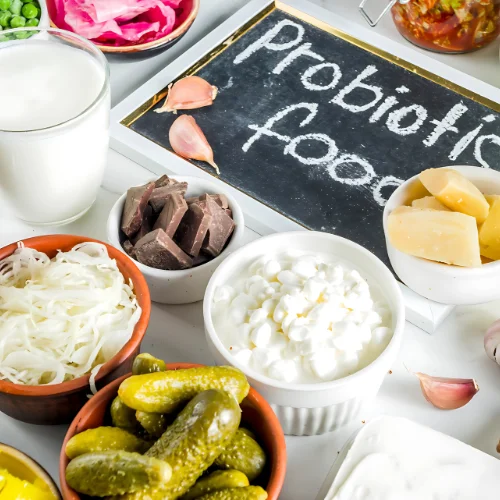
You can add probiotics to your diet by eating certain foods or taking supplements. Some great probiotic foods include:

01. Yogurt
Simple and delicious source of probiotics.

02. Kefir
A tangy, drinkable yogurt.

03. Kimchi and Sauerkraut
Vegetables that are good for your gut.

04. Tempeh and Miso
Made from fermented soybeans.

05. Pickles
Only the naturally fermented kind, not the ones made with vinegar.
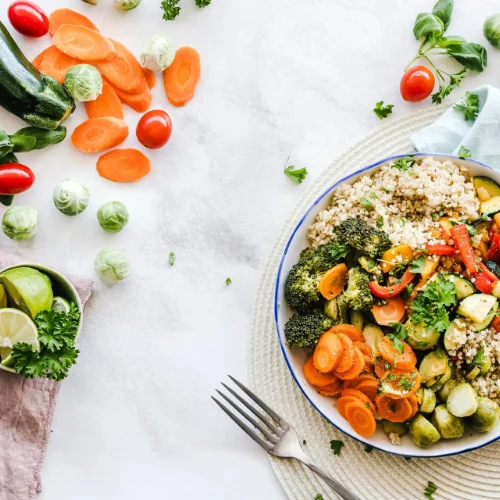
If you don’t like these foods, you can also take probiotic supplements. These are pills or powders with good bacteria that help your gut.
Conclusion
The gut-brain connection is very important for staying healthy. Probiotics can help keep this connection strong by supporting the good bacteria in your stomach. Whether you eat probiotic-rich foods or take supplements, taking care of your gut is a smart way to take care of your body and mind. A healthy gut means a healthier, happier you!